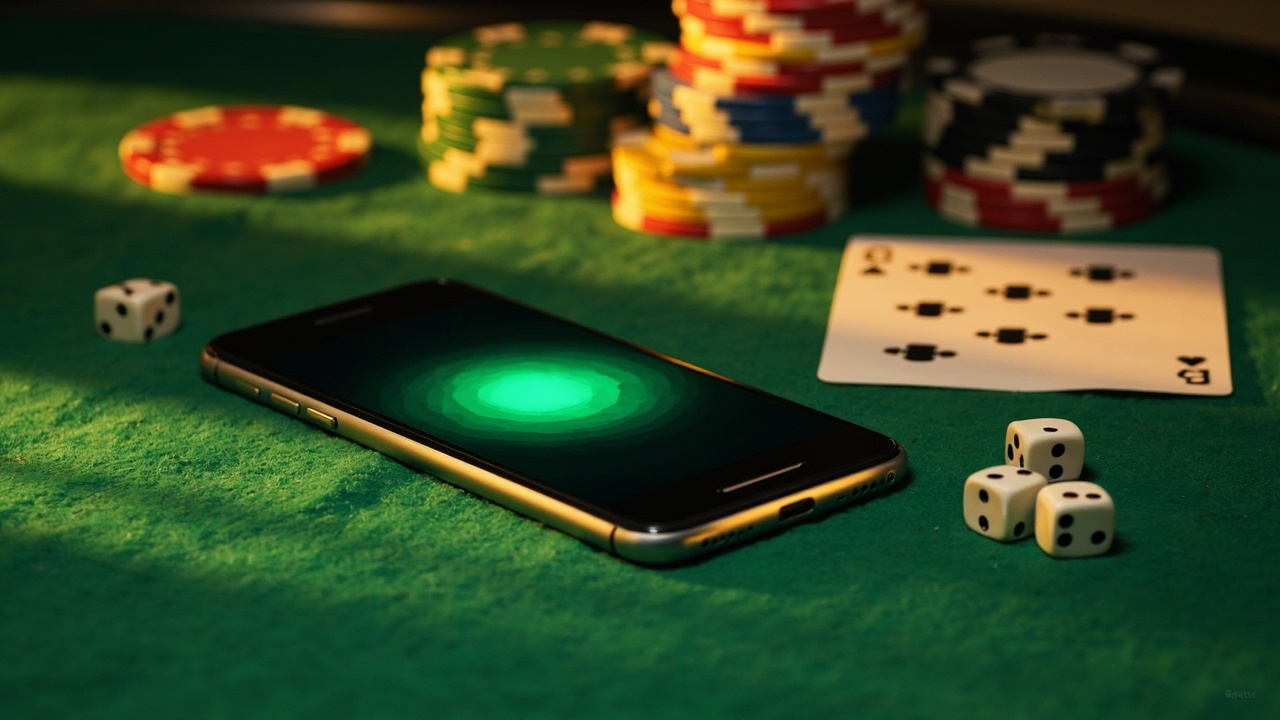
Running a short stack in Texas holdem means every decision carries weight, and most Australians I work with now play from the train or the couch. The mobile interface is the table; if the app stutters during a shove, you’ve already lost the hand. Players checking curated deal lists like bestfairgocoupons.com will see why short stack strategy has to be built around what a phone actually does well.
Where Mobile Short Stack Play Actually Shines
Modern holdem apps give short stack players something a live table in Geelong rarely can: speed. You can fold 80% of starting hands inside a 3-second window without tipping off the player to your left, which is the whole point of a tight short stack approach. A clean mobile lobby also lets you filter by buy-in, so you can lock the seat to a stack size that matches your real bankroll rather than your hopes for the arvo.
Compared with UK-facing apps, the Australian mobile experience often loads faster on local telco networks, while European operators still lead on hand-history depth. American clients I’ve supported across Japanese, English, Mandarin, and French-facing rooms tend to see HUD integrations first, which matters less when you’re playing a 15bb shove-or-fold chart and more when you’re grinding full ring. The result is a real home-field edge for Australian short stack grinders on a stable 5G connection.
The strongest mobile setups I work with share a few practical traits that the marketing pages rarely mention:
- A pre-set raise-size slider that defaults to your open, not to a misleading 2.5x
- One-tap fold, one-tap call, one-tap shove, with no animation lag between decision and action
- A seat-resume function that drops you straight back to the table after a phone call, especially handy during long tournament runs from a Geelong café on a Sunday
- A battery profile that doesn’t drain half your phone inside a 4-hour cash session
The Honest Trade-Offs on a Phone Screen
A short stack doesn’t forgive misclicks, and a phone screen invites them. The thumb covers the bet slider, you misread a pot-odds overlay, and suddenly your 12bb jam looks like 22bb. Compare that with a live craps layout staffed by four casino employees at once, where the boxman can call a mis-tap back. On mobile, the only safety net is the app’s own confirm-step.
The other limit is information density. A multi-table holdem lobby can crowd nine seats and a chat box into a 6.1-inch display, while a side game like Three Card Poker, invented in the 1990s by Derek Webb for a felt, plays honestly. New Zealand players I work with favour landscape tablets, and the better Australian apps now mirror that without a separate download.
Navigation is the quiet killer of mobile short stack sessions. A back button that exits the table instead of folding, a bet slider that snaps to max after a phone vibration, or a tournament clock that disappears behind a promo banner can each cost you a stack. The strongest apps put the shove button on the same thumb arc as the fold.
Reading the Table When the Table is a Tile
The strategy itself doesn’t change when the format does, but your attention budget does. A short stack should play position-first, not hand-first, and the mobile HUD needs to highlight the button, the cutoff, and the blinds at a glance. If you have to pinch-zoom to spot where you are in the betting order, the app has cost you the equity of acting last.
Compare that with European live streams where the same info sits in the corner of a 60-inch display, and you can see why a quick-glance design wins short stack loyalty. Australian telco networks I’ve tested run low enough latency that the in-app deal animation can finish before the river card lands, which is a real edge on a stable connection.
Withdrawal is where mobile experience often falls over. In a regulated room, a big win triggers a handpay, and staff verify a handpay before delivering the winnings in person. Offshore mobile apps have to simulate that trust with on-screen receipts and pending timers, which is why reading the small print before you deposit is just as important as reading your opening ranges.
When the App Becomes the Real Edge
The strongest mobile short stack setups I’ve seen in Japanese, English, Mandarin, and French-facing rooms share four traits: a single-purpose shove button, a battery profile that survives a long session, an honest cashier, and a real-time tournament clock. A 12bb jam is the same maths anywhere, but the device decides whether your push lands clean or eats two seconds of equity.
Players who treat their poker app like serious equipment are the ones still in at the dinner break. If you like to compare libraries and stay options before committing, reading a trusted review of a casino-style stay is worth weighing against your poker app’s lobby. The short stack player who treats the phone as part of the strategy keeps a stack when others don’t.
In Geelong and across Australia, the apps that respect thumb-reach and serve the local currency without a conversion popup hold my attention. The maths of 15bb play is settled, and the mobile experience is still a moving target, so the real edge lives with grinders who are busy as anything testing the app properly first.
Short stack holdem will always be a game of decisions, not luck, and on a phone those decisions arrive faster than the screen can keep up with. Pick an app that’s built for thumbs, not screenshots, and you’ll reckon the rest falls into place. Test the shove button in a play-money table before committing a real buy-in. The maths of 15bb play is settled; the mobile experience is still a moving target, so the real edge lives in the app you choose.